Fueling Generator Service Benefits
Backup Power Systems: The Dependable Answer for Constant Energy Flow
Backup generators are an important shield when the power goes out. These systems operate smoothly, starting up immediately after a power loss. Running on diverse fuels, the generators ensure homes and businesses remain operational during emergencies. Yet, knowing their advantages and specifications is crucial to reaching an informed decision. What aspects should one consider before acquiring a generator like this? The subsequent parts examine these important factors.
The Mechanics of Backup Power: How They Work
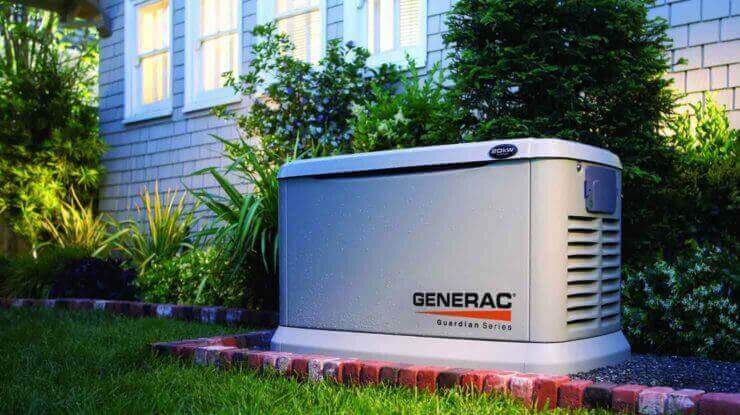
Backup generators are critical units that provide automatic backup power during outages. These units are usually placed on the exterior of the property, linked to the main wiring and powered by diesel, propane, or natural gas. If an electricity outage happens, a standby generator detects the loss of electricity and begins operating immediately. This process involves an ATS (Automatic Transfer Switch), that isolates the property from utility power and connects it to the generator
(Portland Standby Generators)The system starts creating electricity, supplying power to essential circuits or the complete structure, depending on its capacity. The majority of backup systems include a built-in monitoring system that confirms optimal performance and maintenance. They can operate for extended periods, providing a reliable power source until the main grid is back online. Understanding the mechanics behind standby generators enables users to see their importance in enhancing energy security and minimizing disruptions in the event of unforeseen blackouts
Advantages of Owning a Backup System
Trustworthiness is a key feature of utilizing this type of generator, since it ensures continuous electricity during outages. This vital function guarantees that facilities stay running, safeguarding important possessions and upholding livability. Furthermore, backup systems boost security by preventing power outages that might cause dangerous conditions, such as burst plumbing or non-functional medical devices.
Value for money is a key positive aspect; while the primary expenditure may be substantial, the long-term savings from avoided food spoilage, operational downtime, and emergency repairs can view details be considerable. In addition, backup power systems boost the home's worth, making them an attractive feature for potential buyers.
The ease of use is also important, as they start up on their own during an outage, eliminating the need for manual intervention. This smooth performance allows users to maintain their daily routines without disruption. Overall, installing a standby generator delivers reassurance, assuring that power is always available when critical.
Key Features to Look for in a Standby Generator
When choosing a standby generator, a few vital attributes should be considered to guarantee peak performance and appropriateness for individual requirements. To begin with, the power generation capability is essential; prospective owners must determine the wattage required to run critical equipment during an outage. Furthermore, the power source—whether NG, LP, or diesel—influences operation and long-term expenditures.
An additional key element is the automatic transfer mechanism, which enables smooth transition of power and boosts reliability. The robustness and construction quality are also important; a robust generator can withstand harsh weather conditions.
Furthermore, the volume of operation must be checked, as less noisy generators are ideal for home environments. A few units provide self-starting features, adding comfort during unforeseen blackouts. Finally, support and coverage details must be examined, ensuring dependable assistance and maintenance. Through assessing these characteristics, prospective buyers can select a standby generator that aligns with their individual power demands effectively.
Factors to Consider Before Purchase
Before deciding on a standby generator, customers should carefully evaluate several essential factors to confirm they arrive at an informed decision. Portland Standby Generators. To start, they must evaluate their energy requirements by figuring out the necessary capacity to run important appliances during an outage. Following this, the type of fuel is critical; options include natural gas, propane, or diesel, each with unique advantages and availability considerations
Additionally, buyers should consider the generator's power switch mechanism, which ensures easy power switching. Installation details are also important, since certain models could demand a certified installation or acquiring a permit
Service agreements and warranties should not be overlooked, since they significantly affect your satisfaction over time. Finally, potential buyers should evaluate the level of noise produced, especially if they live in populated neighborhoods. When reviewing these aspects, customers may pick a standby generator that fulfills their specific needs and preferences
Maintenance Tips for Your Standby Generator
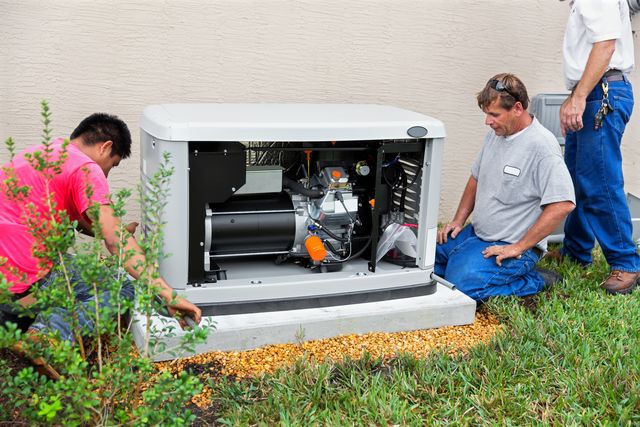
Routine servicing is crucial for guaranteeing ideal performance and extending the life of the unit. Begin by checking the oil level in the unit, and replace the oil and filter following the guidelines provided by the manufacturer. Inspect the air filter often replacing it if required to ensure proper air circulation. It's also important to test the battery cleaning corrosion from the terminals to keep the starting power consistent.
Perform load tests regularly to verify the generator manages its rated capacity. In addition, check that the exhaust system is free of obstructions and leaks. Keeping the generator clean and free from debris will help prevent overheating and other issues.
Finally, schedule professional maintenance at least once a year to address any potential problems and perform in-depth inspections. By using these maintenance practices can greatly extend the lifespan of a standby generator, providing peace of mind during power outages.
Common Questions
What is the Typical Price of Standby Generators?

Standby generators typically cost from $2,000 to $15,000, based on elements like brand, power capacity, and how complex the installation is. Extra costs often involve maintenance, permits, and the cost of fuel tanks, influencing the overall investment required.
Am I Able to Install a Standby Generator on My Own?
Self-installation of a backup generator is feasible, but it requires knowledge regarding local codes and electrical wiring. Many recommend hiring a professional to ensure security, conformance, and the best operation of the generator installation.
Which Types of Fuel Power Standby Generators Use?
Standby generators typically use fuels such as natural gas, propane, diesel, or gasoline. Portland Standby Generators. The selection of energy source is usually determined by availability, cost, and specific energy needs, influencing the efficiency and performance of the generator
Are There Any Permits Required for Installation?
Permits are frequently necessary for the installation of standby generators. The specific codes change based on the locale, so it is essential for homeowners or contractors to check with local governing bodies to guarantee compliance with all relevant codes and requirements.
What is the Maximum Continuous Runtime Continuously?
A standby generator can run continuously for varying durations, most commonly lasting 24 to 48 hours, contingent upon the demands and the fuel source. Regular maintenance guarantees optimal functioning and extended lifespan during prolonged periods of use.